Ohio State Study: Snacks Add Up to a Whole Extra Meal in Americans' Daily Diets
Researchers analyzing survey data from more than 23,000 U.S. adults found that snacking supplies roughly a fifth of daily calories while offering little nutritional value.
By Jayden Sweiler ·
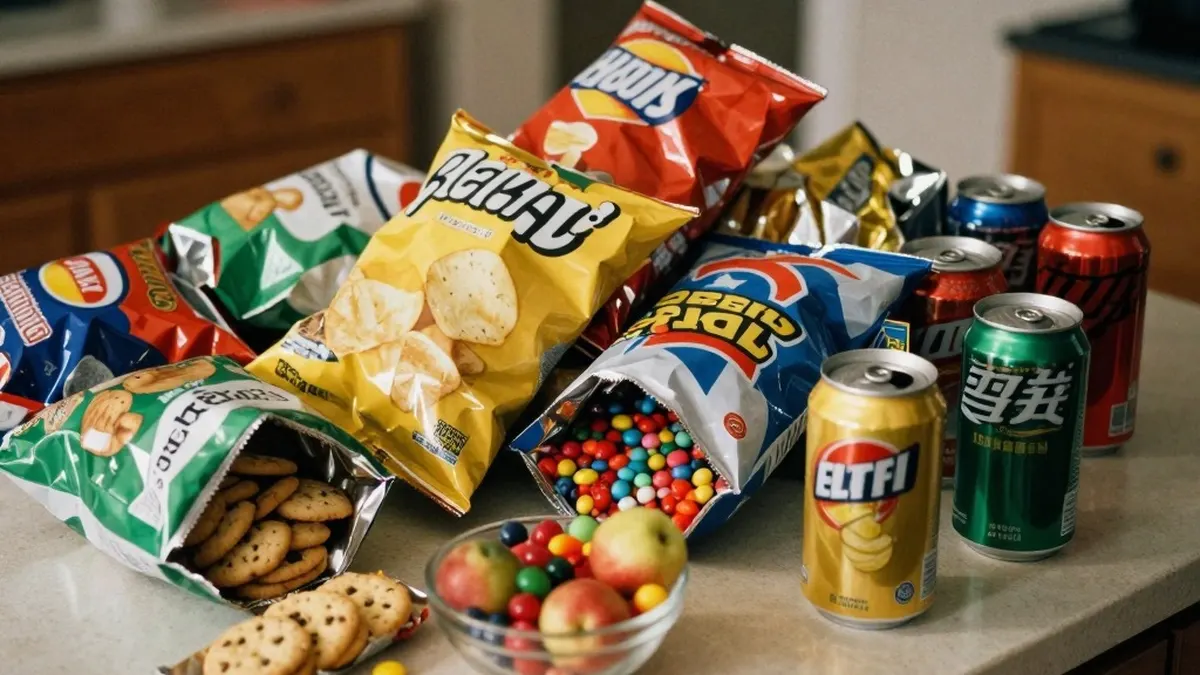
Americans are consuming the caloric equivalent of an extra meal each day through snacks, according to a new study from The Ohio State University. The findings suggest that between-meal eating contributes a large share of daily energy intake without delivering much in the way of nutrition.
The researchers drew on survey data from 23,708 U.S. adults over the age of 30 who took part in a 10-year national survey. The survey tracked not only what participants ate but also when they ate it. Across the group, snacks averaged about 400 to 500 calories a day, which the university said is typically more than people consumed at breakfast.
Snacks accounted for an average of 19.5% and 22.4% of total energy intake, depending on the group, "while contributing very little nutritional quality," the researchers said. Participants were sorted into four categories based on glucose levels: nondiabetes, prediabetes, controlled diabetes and poorly controlled diabetes. Those managing their type 2 diabetes ate fewer sugary foods and snacked less overall than people without diabetes and those with prediabetes.
The snacks Americans chose most often were high in carbohydrates, fats and sugar. Healthy proteins, fruits, grains and vegetables were eaten as snacks less frequently. Alcoholic beverages and sugar-sweetened drinks were also consumed as snacks more often than milk and other healthier options.
Christopher Taylor, the study's senior author and a professor of medical dietetics in Ohio State's School of Health and Rehabilitation Sciences, said the pattern amounts to a meal in everything but name. "Snacks are contributing a meal's worth of intake to what we eat without it actually being a meal," he said. He contrasted that with a typical dinner of a protein and a side dish or two, noting that a meal made up of snack foods would generally be heavy on carbohydrates and sugars, with little protein, fruit or vegetables.
Taylor argued that the response should go beyond simply cutting added sugar. "We've gotten to a point of demonizing individual foods, but we have to look at the total picture," he said in a prepared statement. He explained that removing added sugars will not automatically improve intake of vitamin C, vitamin D, phosphorus and iron, and that eliminating refined grains means losing nutrients added through fortification. "When you take something out, you have to put something back in, and the substitution becomes just as important as the removal," he said.
He recommended that people consider their whole day of eating when choosing snacks, picking ones that help meet nutritional needs. The environment plays a large role, he said, particularly during the holidays, making planning and shopping habits important. "We think about what we're going to pack for lunch and cook for dinner. But we don't plan that way for our snacks. So then you're at the mercy of what's available in your environment."
Source: FOX 5 Atlanta